Old memory went crazy! DDR4 contract price exceeds DDR5: soared 24% in three months
The global memory market is experiencing sharp price swings, with DDR4 memory contract prices up 24% cumulatively over the past three months, according to a new report from investment bank Barclays.
Surprisingly, this increase has already outpaced the more technologically advanced DDR5 memory, which saw a 20% increase over the same period.
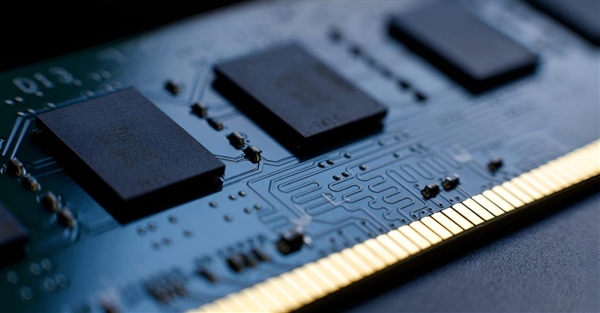
Specifically, as of October, the DDR4 memory chip contract price increased by 4% month-on-month, with a cumulative increase of 24% in three months. DDR5 contract prices rose 3% and 20%, respectively, over the same period.
Although DDR5 is the latest technology, the price of DDR4 has risen more than DDR5 in these three months, and the shortage has obviously affected both new and old platforms.
Barclays pointed out that the continuous memory shortage has brought predictability to the memory chip business through long-term agreements. Today's supply agreement prices are closer to the market pricing trend, and the role of the upper and lower price limits in the past is fading.
Barclays' data and conclusions are supported by another analysis by Citi. Citi expects the supply gap between the DRAM and NAND markets to continue through 2028.
Its supply-demand ratio data shows that the DRAM gap will peak at 13.9% in the fourth quarter of 2027, and the NAND gap will peak at 8.3% in the first quarter of 2028, after which it will be slightly alleviated in the coming months.
More importantly, since AI-centric HBM high bandwidth memory is also dependent on DRAM capacity, manufacturers have shifted the center of gravity of production capacity to DRAM, which in turn has exacerbated the supply tightness in the NAND market, creating a chain effect.