The whole Internet is watching the Tesla Roadster take off, but I am more concerned about how it will be delivered.
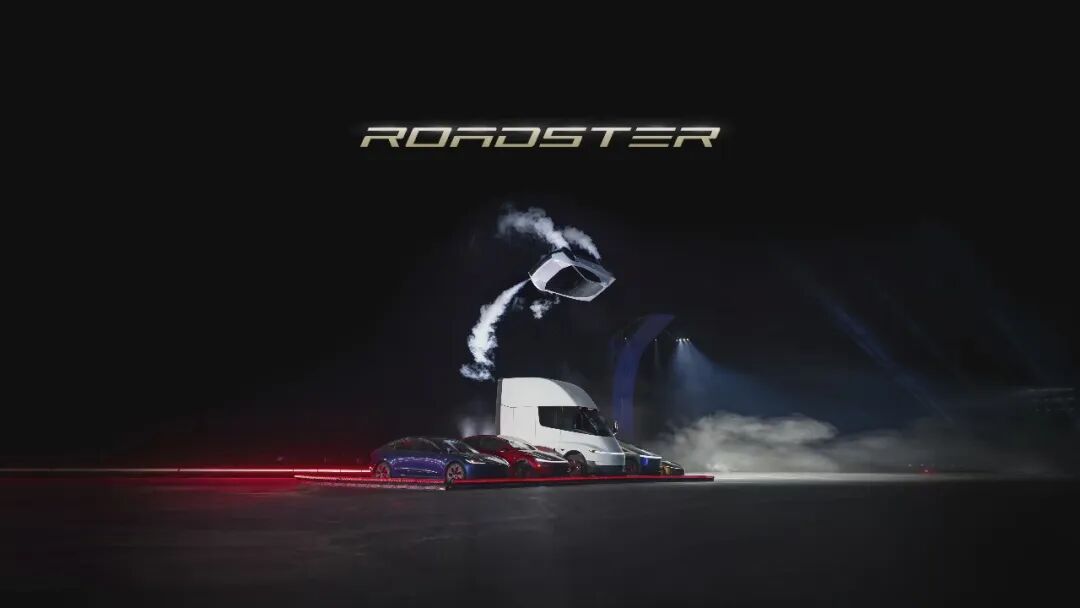
From its debut in 2017 to this launch event, Tesla’s second-generation Roadster has been waiting for nearly nine years. Now, with the demonstration of off-the-ground and aerial movements, this electric supercar has once again occupied the attention of the technology circle.
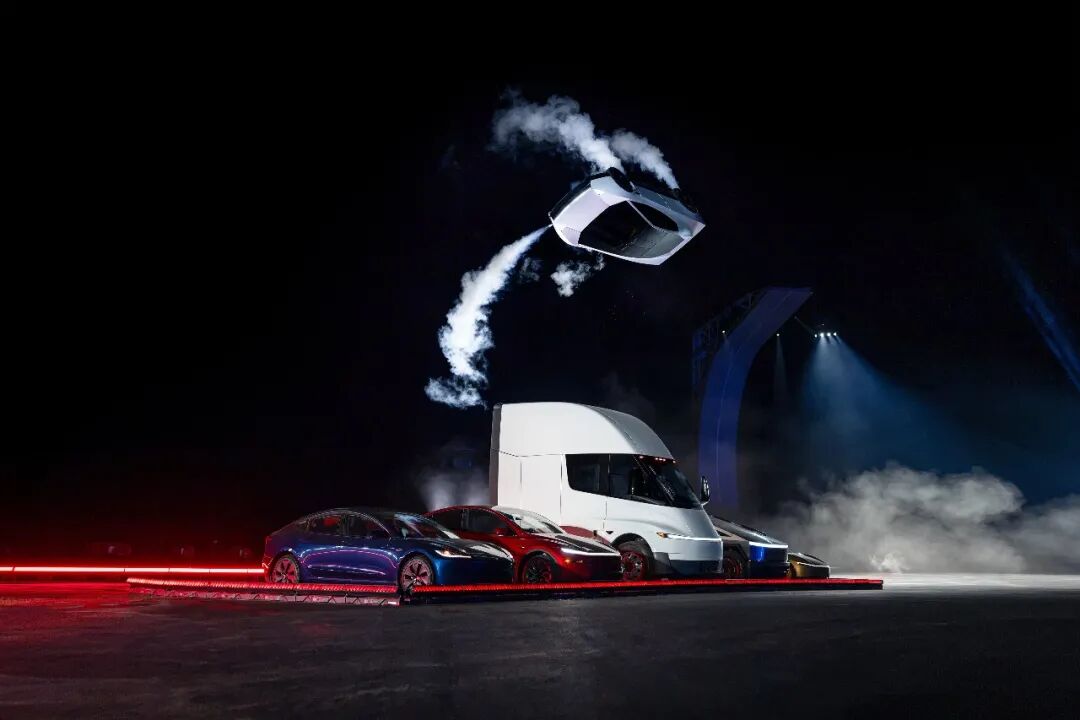
Tesla, Musk, SpaceX, flying cars, several hot words stacked together are enough to make people stop swiping the screen.
But we want to know even more: after a sports car flies at the press conference, what will the person who buys it get?
This determines how long Roadster can retain the applause.
01
Fly up,
It's really worth marveling at
Let’s admit it first: getting a car off the ground has a strong visual impact.
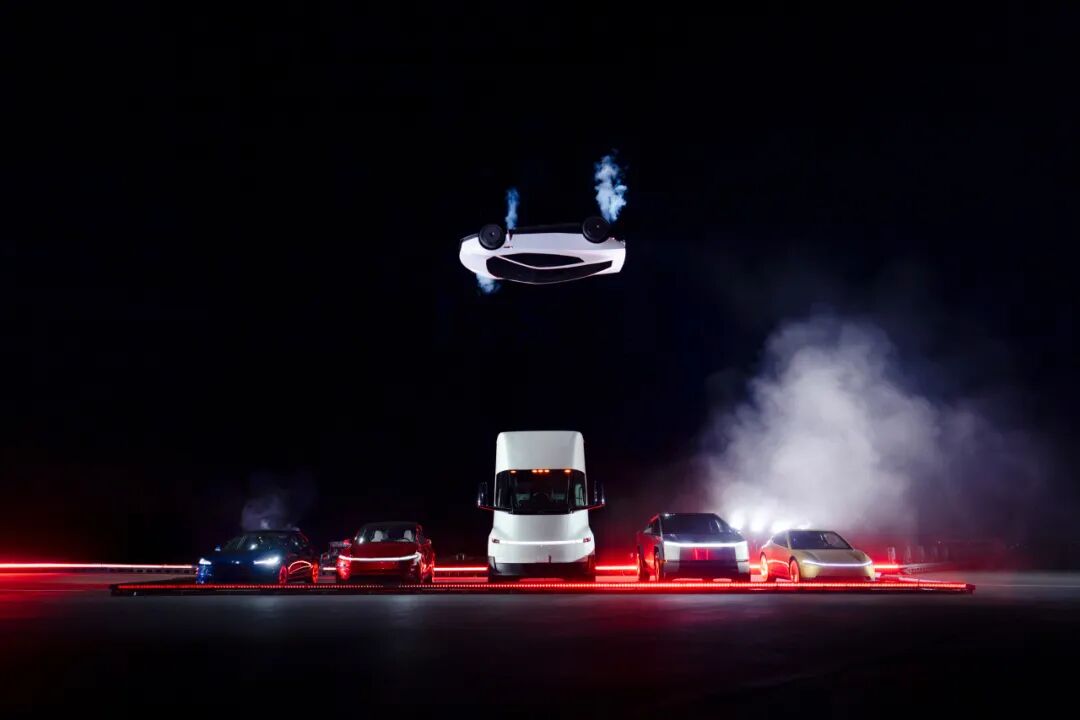
Everyone has seen too many electric vehicle launches. Faster acceleration, a larger screen, and a longer configuration list are all good individually, but when put together, it becomes increasingly difficult to leave a memory.
The Roadster captures this fatigue.
When cars perform actions that originally belong to science fiction movies, the discussion breaks out of the small circle of car enthusiasts. People who cannot understand the motor parameters can immediately understand the shock of the picture.
This ability to turn complex technology into intuitive scenes is worthy of research by automobile companies.
However, the three words "fly up" are also the most likely to make the discussion go astray.
Off-the-ground demonstrations, short-term aerial actions, and flying vehicles that can travel freely back and forth each represent different abilities. After watching a video, you cannot automatically fill in the range, control methods and daily use conditions for it.
Specific capabilities also need to correspond to specific configurations. The actions that specific versions and optional enhanced configurations can accomplish cannot directly become the common label of every Roadster.
We can be excited about the pictures and understand the product description clearly at the same time.
02
From the stage to the user,
there are still several hurdles
First of all, after buying it, where will it be used?
Demonstrations in closed venues have arranged environments and operational procedures. The site conditions faced by real users may be much more complex.
If a capability requires dedicated space, professionals, and rigorous preparation, it can still be valuable, but how often it is used, how it is served, and why it is purchased all need to be redefined.
Before users spend money, they should know what kind of experience they are buying.
Secondly, what price do you have to pay for this experience?
Adding a device often requires making trade-offs between space, weight, cost and maintenance. How the relevant devices replenish the working medium, how long the maintenance cycle is, and how they need to be inspected after use all affect the actual ownership experience.
These issues cannot be skipped just because the press conference is exciting, nor can we directly write them off as existing flaws when information is missing.
Companies need to disclose conditions so the public can make judgments.
Finally, can it be done stably and repeatedly?
A successful demonstration demonstrates capabilities under specific conditions. When delivering to users, it is also necessary to explain the limitations of continuous use, performance in different environments, and how to handle exceptions when they occur.
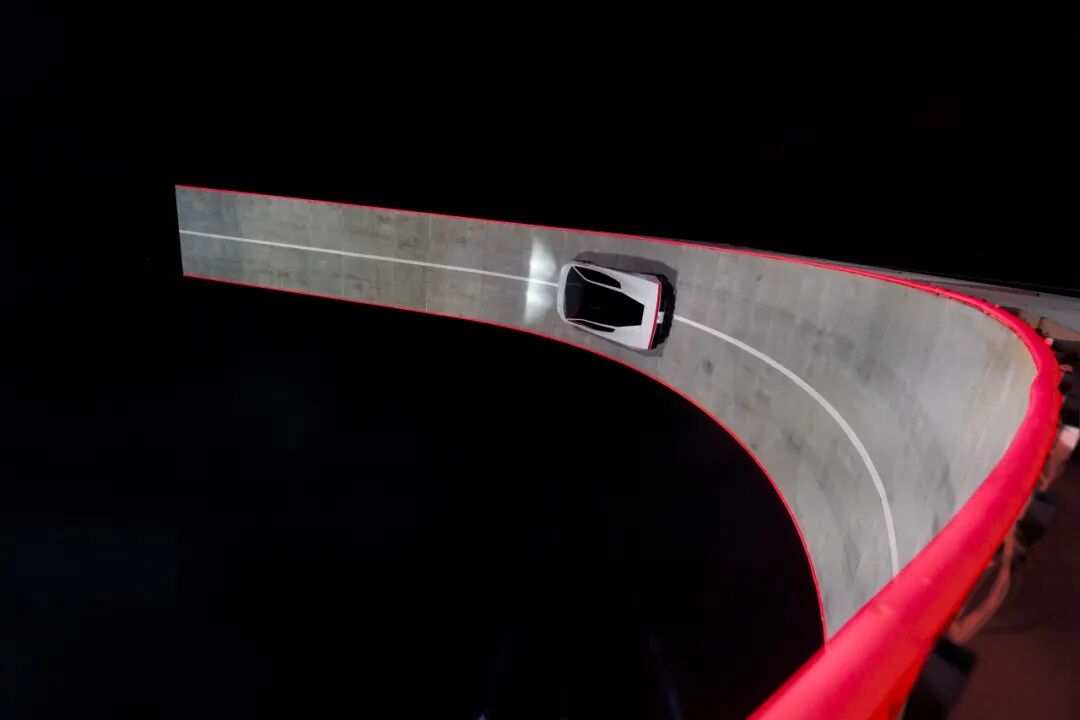
Repeatability is especially important for a high-performance product.
What we really expect is that users can get an experience that is consistent with the promise under the publicly stated conditions.
Nine years of waiting have pushed this expectation even higher. Press conferences can rekindle interest, and delivery of arrangements and real experiences will gradually build trust.
03
Supercars, of course.
“Not practical”
As I write this, some people will definitely say: Do people who buy supercars still care about practicality?
This objection makes sense.
If you only calculate the cost of commuting, there is no need to buy many supercars at all. People are willing to pay for them because they inherently include driving pleasure, collecting interest, scarcity experience, and the satisfaction of owning a special product.
We cannot measure all cars by the trunk space and cost per kilometer of a family car.
Roadster can also provide an experience that is rarely used but highly desired by a small number of users. As long as buyers understand the limitations and are willing to bear the costs, there is room for such demand.
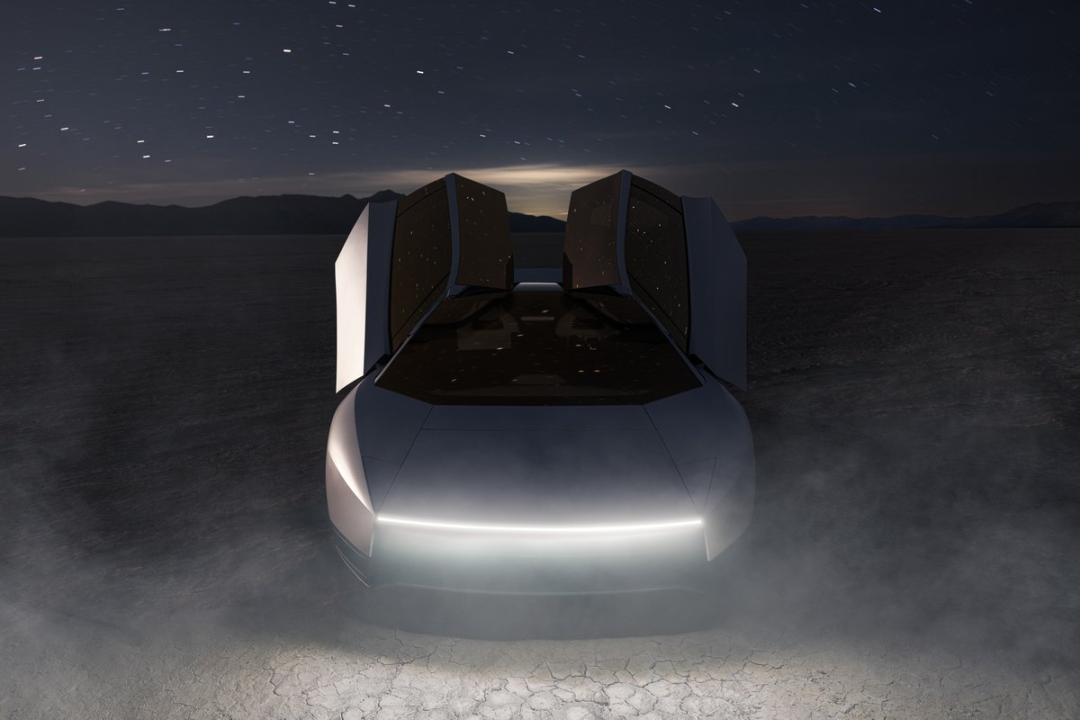
But "not practical" and "can't tell how it can be used" are two different things.
Users can accept to experience it only a few times a year, or they can accept that they have to go to a special venue. He needs to know these conditions in advance and decide accordingly whether the price is worth it.
Only when companies clearly explain their boundaries can they have confidence in their products and users.
Therefore, our questioning of Roadster should focus on whether the promise is clear, whether the experience is reliable, and whether the delivery is fulfilled.
To end the discussion with the sentence "rich people's toys" not only underestimates the users, but also misses the questions that the product is supposed to answer.
04
Tesla
Do you need this show?
From a business perspective, this demonstration makes sense.
A flagship car that serves a small number of users may also make a wider range of people talk about the brand again. It provides a distinctive symbol: when it comes to Roadster, people immediately think of that surprising scene.
This kind of memory is difficult to create with ordinary configuration upgrades.
For Tesla, Roadster can also carry the image of engineering exploration. It lets the public see that the company is willing to turn some unconventional ideas into physical objects and show them on stage.
But two accounts must be distinguished here.
One stroke is communication value. How many people discussed it and how many people remembered it. This launch event has provided intuitive material.
The other thing is technical value. Which exploration can be accumulated to improve subsequent products requires specific evidence and time verification. Just because aerospace-related technologies have emerged, it cannot be directly deduced that ordinary cars will benefit.
Brand attention can be gathered quickly, but product reputation needs to be continuously realized.
Especially for a car that has kept users waiting for years, the weight of the next information update may depend on how close it is to actual delivery.
05
After applause,
The question should be asked specifically
We would like to see bold attempts in the automotive industry.
A company exploring the boundaries of performance, a group of engineers turning exaggerated ideas into demonstrations, and a group of users paying for special experiences can all make the automotive world more interesting.
At the same time, we also need more mature evaluation methods.
What actions can be completed must be made clear; what conditions are required must be made clear; which configurations can be purchased and when they can be delivered must also be made clear.
If you can’t even ask these questions, why should consumers pay for innovation?
Next, the most noteworthy node of Roadster is the more complete configuration and usage instructions, which are independent verification and the actual performance after delivery by users.
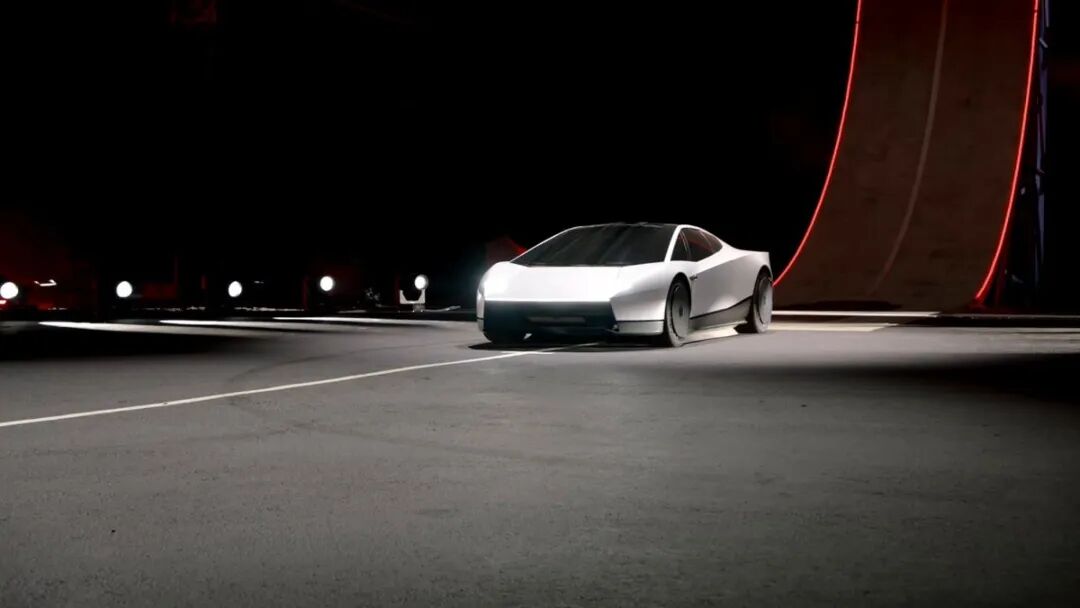
Each additional piece of evidence will support today’s applause.
The scene of the Roadster taking the car off the ground is enough to catch people. We hope that it can steadily bring its promise to users in the future.
If these capabilities of the Roadster can finally be realized, will you be willing to pay for such automotive innovation? Welcome to chat in the comment area.
Welcome to chat in the comment area.
#Tesla #Roadster #Musk #SpaceX #electric supercar #flying car #automobile technology #technological innovation #new energy vehicle #product delivery