150 Yuan was used to crack 64,000 Yuan FSD, 80 Tesla owners were transferred to the prosecutor
According to Korean media reports on October 28, the Seoul Police Department reported on October 27 that 80 car owners suspected of illegally activating Tesla's FSD (Full Self-Driving) function have been transferred to prosecutors and 21 unauthorized cracking devices have been seized.
It is reported that these car owners only spent about 30,000 won (approximately RMB 150) to purchase or make their own cracking tools to unlock the FSD function, which is officially priced at RMB 64,000 in the Chinese market.
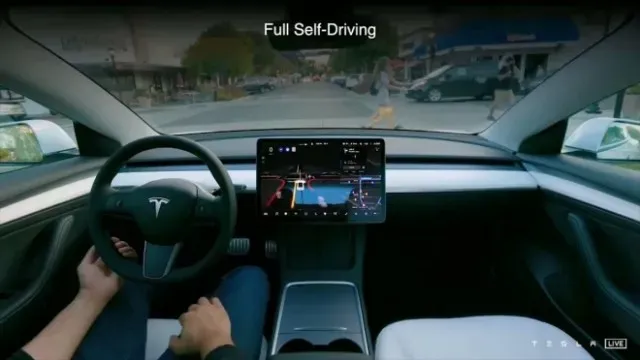
The trigger of the case was the huge price gap and the mismatch between usage rights.
The buyout price of Tesla FSD in the Chinese market is 64,000 yuan, and the monthly subscription fee in South Korea is as high as 150,000 won. The cracking equipment used by the car owner involved cost only about 150 yuan.
The installation process is said to "can be completed in 5 minutes and leaves no trace after removal." The disparity between low cost, low threshold and high-value functions constitutes the direct driving force for the growth of gray market.
According to police disclosures, the car owner involved’s cracking method was not complicated. They purchased it from European and Chinese e-commerce platforms, or used open source code to make their own unauthorized devices, connected to the vehicle's CAN bus, and bypassed Tesla's regional software lock, thereby forcibly activating the FSD function on the Chinese-made Model 3 and Model Y.
Some technical analysts pointed out that the core of this type of solution is to use a hundred-yuan microcontroller development board (such as Raspberry Pi, ESP32, Arduino, etc.) to send a forged authorization signal to the vehicle bus, causing the vehicle computer to misjudge that the vehicle is in a legally authorized area, thereby triggering FSD from the bottom layer. Since the hardware base is the same, the key to cracking lies in bypassing geographical restrictions at the software level rather than making complex modifications to the vehicle hardware.
According to the Korea-U.S. Free Trade Agreement, only the Model S, Model
Data shows that of the approximately 239,000 Tesla vehicles registered in South Korea, more than 185,000 (approximately 77.6%) cannot legally use FSD. The huge "locked" user group constitutes the main source of customers for cracked devices.
According to public reports, Tesla reported the software vulnerability to South Korea’s Ministry of Land, Infrastructure, Transport and Tourism as early as March 2026, and the Ministry of Land, Infrastructure, Transport and Tourism formally requested the police to intervene in the investigation in April. Tesla subsequently remotely detected and banned approximately 100,000 "jailbroken" vehicles worldwide through OTA updates. Owners of detected vehicles not only had their FSD permanently disabled, but also faced the risk of warranty invalidation. Tesla officials have also clearly warned that car owners who use such equipment must bear full responsibility for any traffic accidents caused by this.
What seems to be a shrewd "picking up wool" is actually an adventure that puts driving safety and the bottom line of the law as a bet. These car owners face criminal prosecution under South Korea’s Automobile Management Act. The law prohibits "unauthorized modification, installation, addition or deletion of software that may affect the safe operation of the vehicle". Violators may be sentenced to up to 2 years in prison or fined 20 million won (approximately RMB 104,000).
The Seoul Police stated that it has confirmed that illegal activation "presents safety risks," including situations where the FSD may misjudge driving conditions and the vehicle operates outside the driver's intention. This means that in order to save tens of thousands of yuan in FSD fees, the car owner involved may pay a legal price that far exceeds the amount he "saves".