AMD's $8.2 billion acquisition of Li Feifei's World Labs: Why the world model is the next generation computing power portal?
AMD put that number in front of World Labs, which Li founded: an all-stock takeover.
According to the news, many people's first reaction is: A company that makes chips, why pay such a high price to buy an AI company that studies the "world model"?


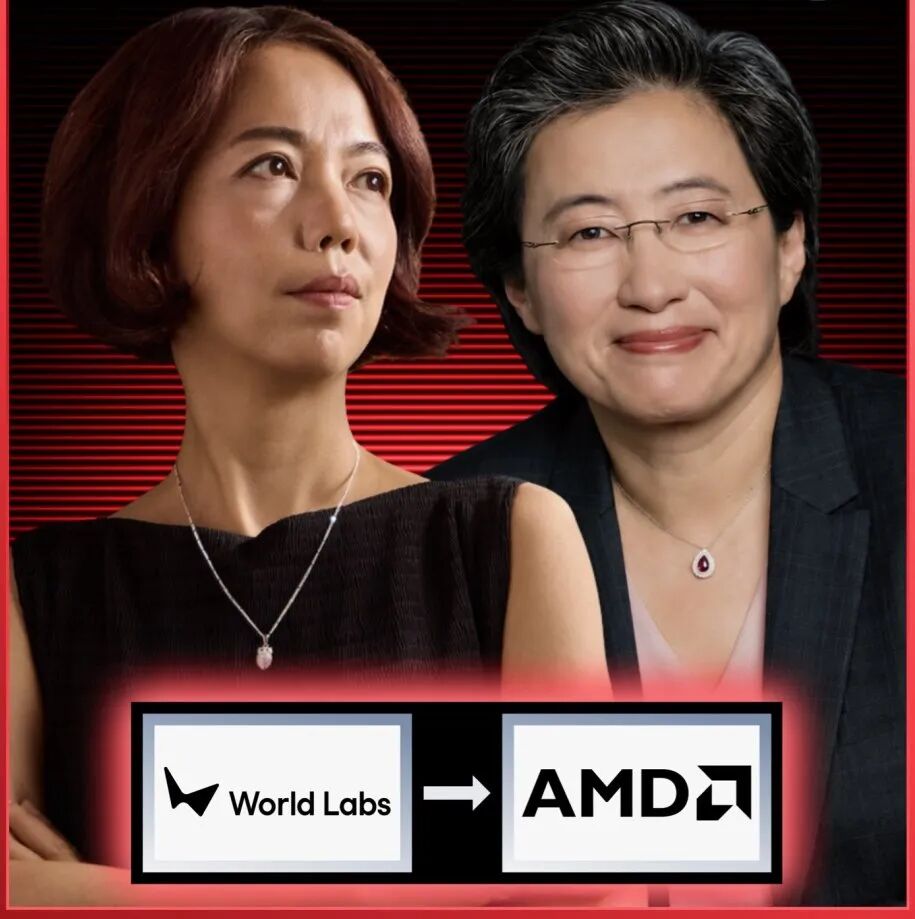
My judgment is that what AMD sees is where the next round of AI competition may occur.
Over the past two years, people have become accustomed to having AIs write articles, generate images, and answer questions.
Now, the industry is starting to ask another question: If AI is going to drive a car, operate a robot, and design a house that it can walk into, how does it understand the world in which it lives?
Behind these hot words, world models, spatial intelligence, physical AI, Embodied AI, lies the same question: letting AI move from processing information on the screen to understanding space and action.
This is also where AMD is willing to bet.
What capabilities does the world model add to AI?
01
Imagine you give the AI a picture of the kitchen.
Ordinary image models can tell you: there are tables, cups, and a chair. Generating a model also draws a more beautiful picture of the kitchen. But if you take two steps to the left, what would have been blocked by the table? How does the space change when the chair is removed? Where does the cup move when the robot reaches out and touches it?
These questions require AI to have an ongoing understanding of space and make predictions about change. This is the problem to be solved by the World Model.
Its capabilities can be broken down into three layers:
● Sir into a three-dimensional scene that can be viewed from different angles;
● Then let the scene continue to change with the operation of the person;
● Finally, let the movement and interaction of objects in it be close enough to the real world to be used to train and test robots.
A good-looking picture is the content. A world where results can be repeatedly entered, manipulated, and tested can become a training ground for AI.
World Labs has launched Marble: users can generate explorable, editable three-dimensional worlds with text, images, or videos.
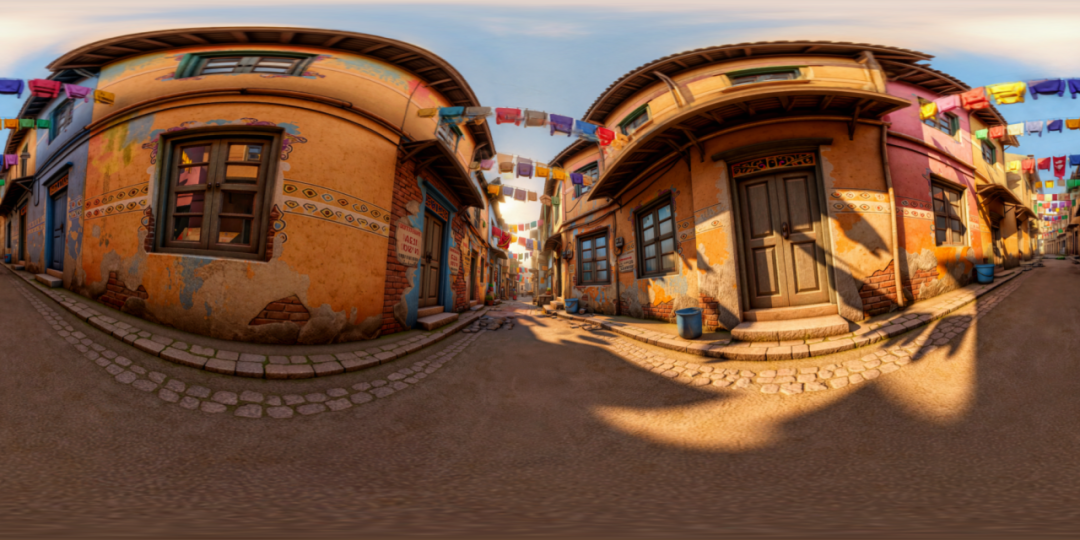
Source: Marble Platform 3D World
It is also developing more general Atlas models and advancing robotics training simulations. Three-dimensional scenarios generate existing products; allowing simulation to reliably predict complex physical interactions in reality is still a challenge that requires continuous verification.
Why is AMD willing to bet $8.2 billion?
02
Once the AI starts learning and acting in a three-dimensional world, the computational task changes.
It processes data from cameras, videos, depth information, and motion; generates a large number of different scenarios; lets robots trial and error repeatedly in scenarios; and reacts in a timely manner on real devices.
Each step is calculated, but the requirements for speed, memory, data transfer, and software are not the same.
AMD's business is to provide the GPUs, CPUs, networks, and software that support these tasks. For it, World Labs has three tiers of value.
The first layer is the model and the talent.
Li Feifei and his team have long studied vision and spatial intelligence, which allows AMD to see the computing bottlenecks encountered by cutting-edge models earlier.
The second layer is co-design.
Knowing exactly where the model slows down gives chips and software the opportunity to optimize for real-world tasks. AMD has previously invested in World Labs, and the two companies have also optimized model operation on AMD Instinct GPUs. Acquisitions advance this collaboration within the same company.
The third floor is the ecological entrance.
If the future of 3D creation, robotics and autonomous driving relies heavily on world models, developers will build products around platforms that can efficiently run these models. AMD is fighting for the position of computing power when the next generation of applications are formed.
The price of this deal is truly staggering.
AMD's business judgment also has clear risks: whether the world model can form a sufficiently large market, whether World Labs' technology can continue to lead, and whether related applications can bring considerable chip and system requirements. There is no final answer.
The $8.2 billion represents future pricing that needs to be validated by future customers and revenue.
Where did the world model first generate value?
03
The easiest thing to see these days is content production. The film and television team can pick up scenes and find seats faster; game developers can make explorable environments; and architects can let clients "walk in" ahead of time. These uses have been undertaken with specific products.

One step further is smart driving. Dangerous and rare situations on the real road are difficult to proactively collect. World models can help train and test driving systems if they generate enough realistic, controllable scenarios of rainy days, occlusion, and surprises.
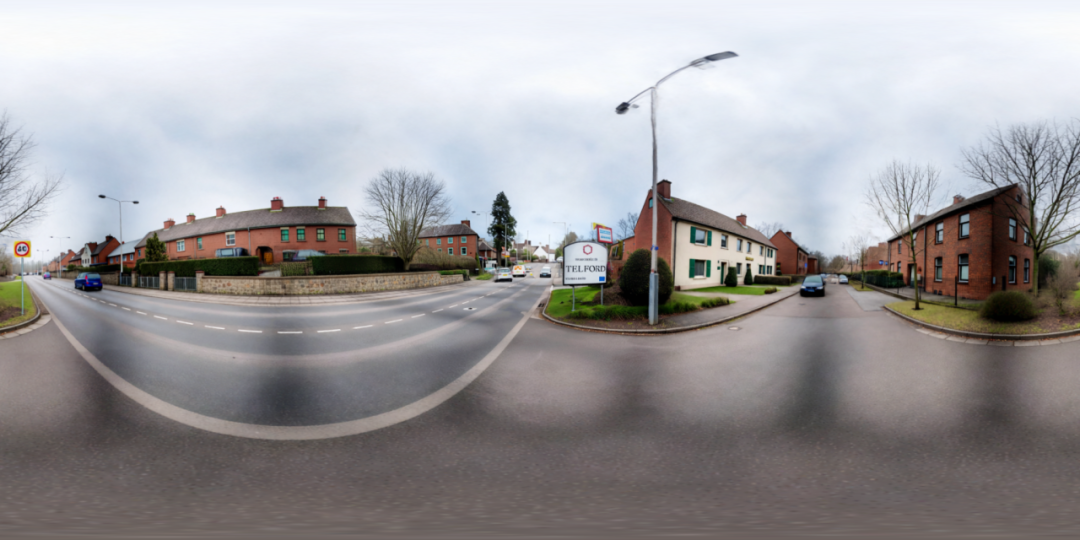
The hardest and most imaginative are the robots. A robot learns to clean the tabletop, and a small number of demonstrations in reality is not enough. It needs to be practiced over and over again under different tables, cups, light and arrangement. Reliable simulation environment, with the opportunity to transfer part of the expensive reality trial and error to the virtual world.

But remember one criterion: doing well in the virtual world is ultimately proven by real-world success rates. This path from simulation to reality determines how far the world model can go.
Chinese companies are entering the competition from different entrances
04
There are also several noteworthy routes in the country.
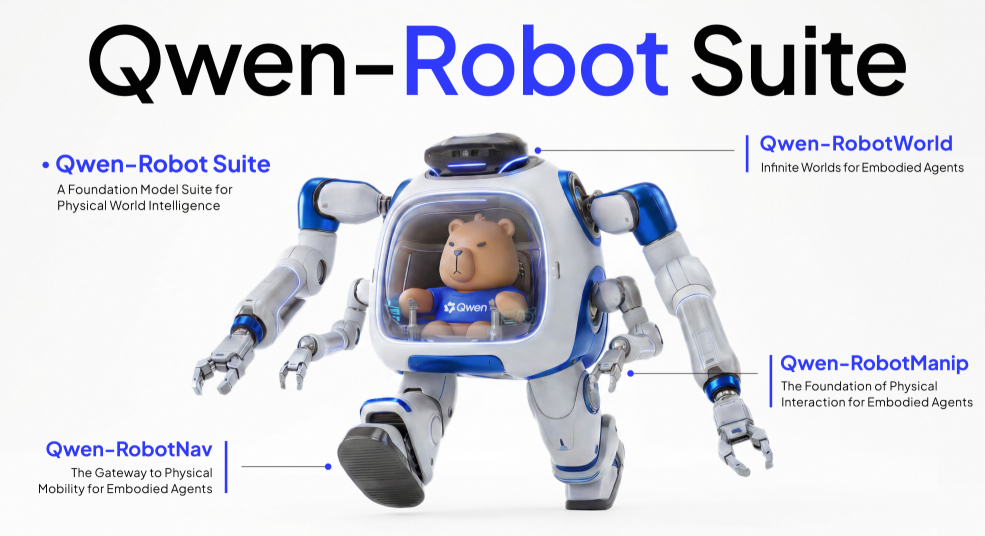
Huawei has put ascendant computing power, cloud services and Pangu world model together to promote, focusing on intelligent driving, robotics and other industry scenarios. While laying out its own AI chip and cloud platform, Ali launched the Qwen-Robot series, including the robot world model, and related products have entered customer pilots.
They are trying to get through "computing platform-model-industry application".

Tencent Hybrid continues to study the generation and reconstruction of roaming three-dimensional worlds; ByteDance Seed explores the generation of three-dimensional objects and scenes that can enter the simulator.
This route focuses on lowering the production threshold of the three-dimensional environment, providing materials and tools for games, design and robot simulation.
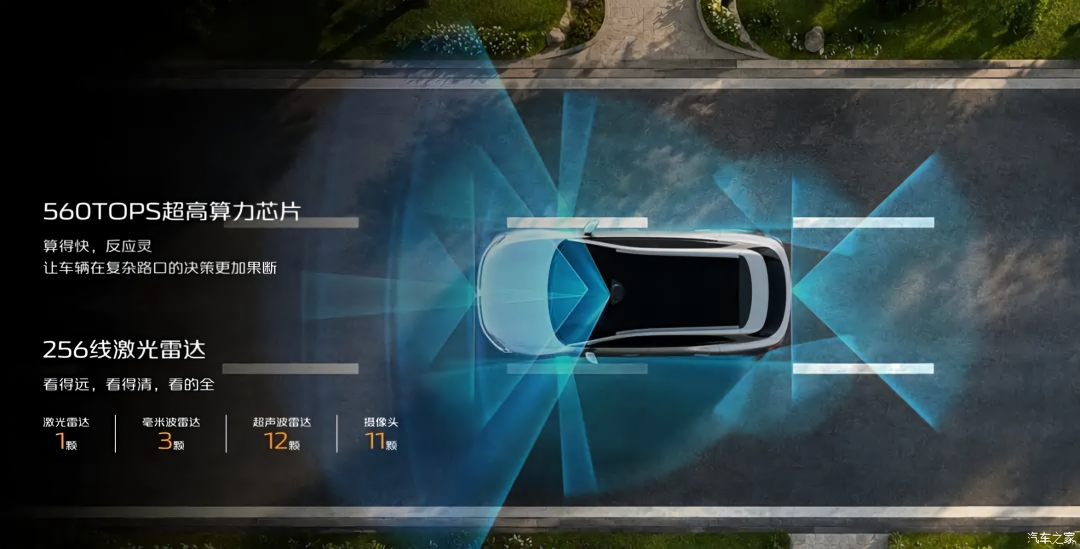
Car companies and in-vehicle chip companies have another resource: real-world scenarios. Xiaomi Automobile published a study on the driving world model, Xiaopeng gradually used the visual language action model for driving assistance, and the horizon continued to promote the synergy between the on-board chip and the driving model.
Vehicles run on complex roads every day, providing opportunities for model validation, discovery of failure scenarios, and refinement again.
These layouts are focused on and point to a connection that Chinese companies must complete: letting real data enter the model, letting the model build a usable training environment, letting the computing platform run the model efficiently, and then letting the real-world application test results.
The next round of competition ultimately depends on whether this closed loop can turn up
05
Publishing a model of the world today, or showing a robot video, is just the beginning.
The real landing paths are: collecting data from real vehicles, robots, and production sites; reconstructing and extending scenarios with world models; training and testing in simulations; returning to real-world testing; and returning failed cases to models.
The faster, cheaper, and more reliable this cycle is, the harder it is for businesses to replicate their strengths.
AMD bet $8.2 billion on World Labs, turning the “world model” from a research topic into an industry issue.
For Chinese companies, opportunities have emerged in multiple sectors such as chips, cloud, 3D generation, automobiles and robots.
The next key is to have these capabilities work on the same chain and come up with results that stand the test of real-world scenarios.
The AI of the future may be practiced in countless virtual worlds before entering our real life.
# AMD, # WorldLabs, # Li Feifei, # WorldModel, # SpaceIntelligence, # Physical AI, # Embodied AI, # AI Hashtag, # Robot Simulation, # Intelligent Driving, # Domestic AI Chip