AI is getting smarter, why is it still not working? Yunqi Assembly Point Break Key
The AI experience that discourages us the most may be that it says "leave it to me" and finally returns a pile of semi-finished products that need to be packed.
The report was written, and the data had to be rechecked; the scheme was laid out, and the system still had to operate on its own; the task was half done, and suddenly it needed someone to take over.
Looks busy and tired to use.
Whether AI can work or not should be determined by the final result.
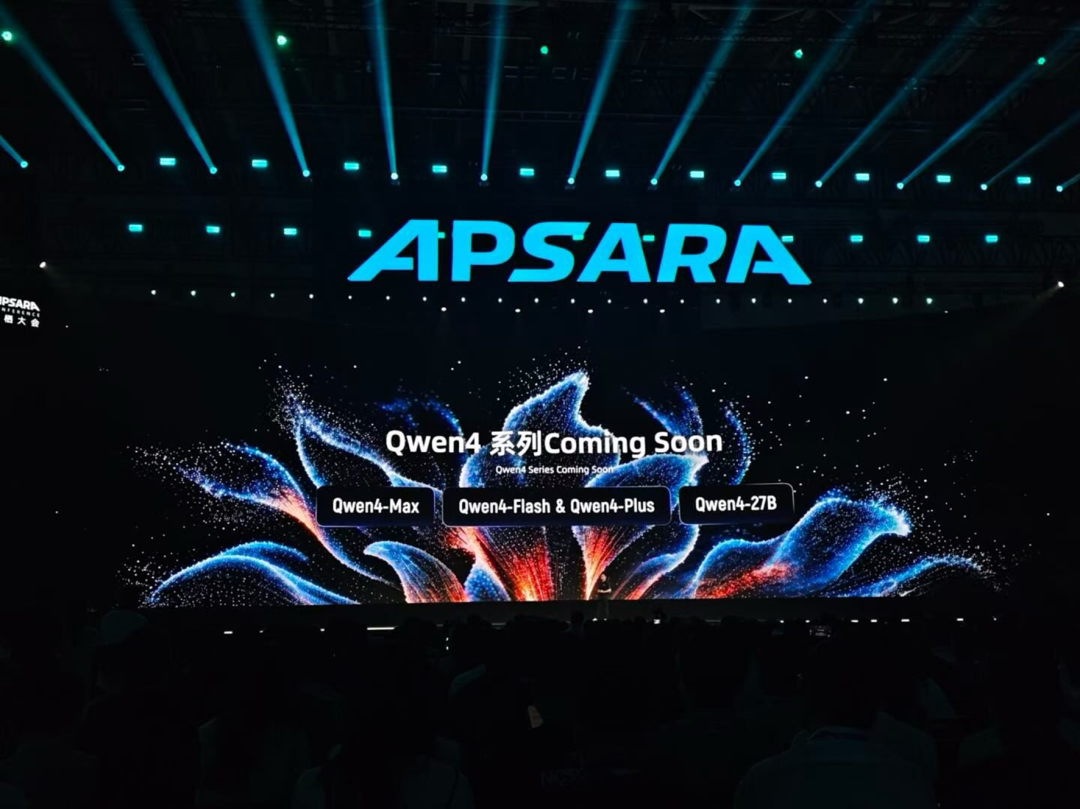
Looking at this year's Alibaba Cloud Conference with this standard, the relationship between chips, models, cloud platforms and agents is much clearer.
We only say one word in front of the screen, but behind the scenes we need a whole set of technical relays. If any link falls off the chain, "doing things with one sentence" may become "helping the AI make up a few more steps".
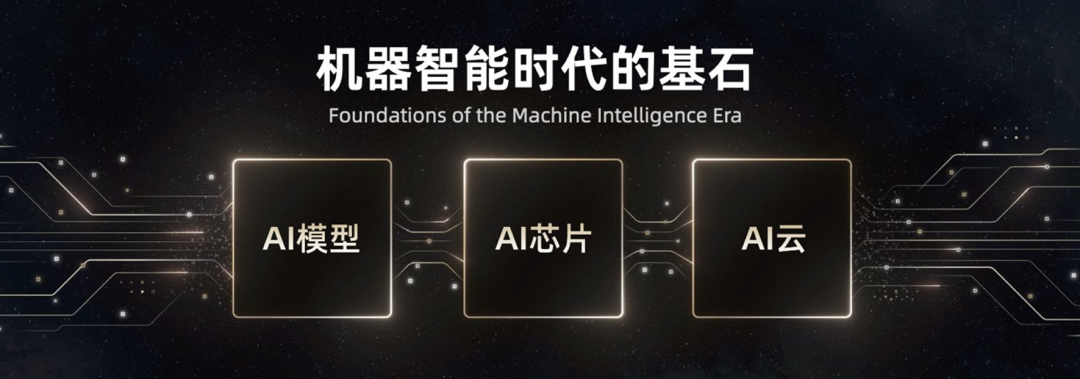
Let the AI do a few more steps, why do even the chips have to be re-coordinated?
Imagine that we asked the AI to put together a copy of the customer call materials.
It reads customer information, checks historical communication, checks the latest data, organizes key points, and generates documents. If you encounter a data conflict, you have to check back.
In the middle, the model needs to be judged many times, the tool needs to be executed repeatedly, and the file needs to be read and written continuously.
Hashrate requirements have changed as a result.
Training is to let the model form the ability; reasoning is to calculate the model when it is used. If the agent continues to work, it may continue to consume inference resources.
But model calculations are only part of it.
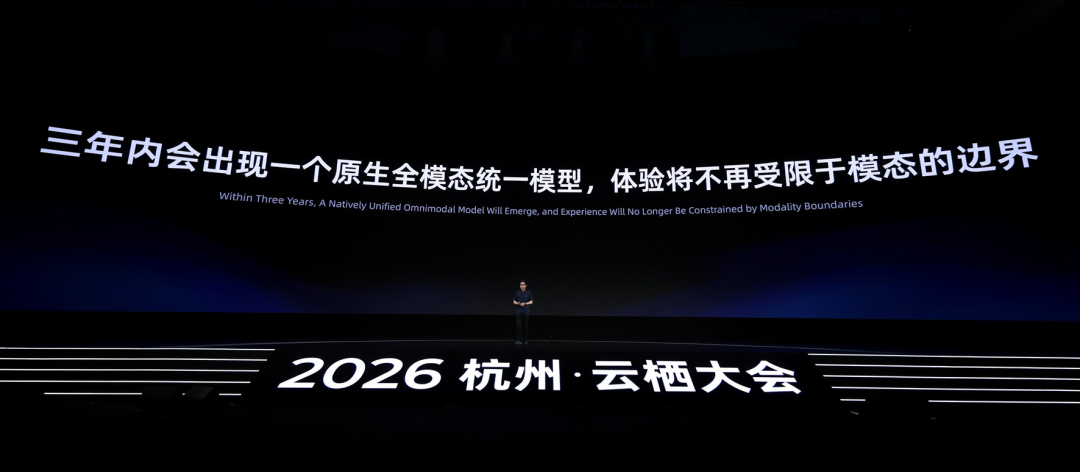
GPUs and other AI-accelerated chips are good at undertaking a large number of model operations; the CPU also handles general calculations such as tool operation and task scheduling; memory and storage are responsible for loading models, data and intermediate states; and the network is responsible for getting the data in place in time.
These resources must be matched.
The GPU calculates quickly, the data cannot be sent, and it will wait; the model is planned, and the execution tool is delayed and has no results, and it will also wait.
No matter how fast a single link runs, it will not be able to bypass the waiting in the entire task.
Pingtou Brother's sharing at the conference explains the role of the CPU in the agent task: search calls, code sandbox activation, state saving, and multi-channel result summarization all need corresponding computing support.
This also makes the layout of real martial arts, relying on the sky, and super nodes have a specific meaning.
The so-called supernodes can first be understood as: letting a group of computing devices work more closely together through high-speed interconnection, reducing the obstacles caused by data exchange.
Of course, how much the chip's computing power improves cannot be directly converted into how much the application speeds up. Task types, software adaptation, and resource scheduling all influence final performance.
The value of hard technology is passed along through the workflow to reach the user.
If the model is smart, you also need to get the data and permissions
With hashrate, can you get things done?
There were still a few more passes to go.
Assuming the AI prepares a customer quote, it must at least know the current price, inventory, contract terms, and which offers are available.
If you get outdated information, the reasoning is more fluid, and you may make a mistake in the quote.
This is the importance of “context”: giving the AI the information and state it needs to complete the current task.
We can understand it as a business disclosure before the start of construction.
Next, give it the tools and the working environment.
The sandbox mentioned in the conference materials is an isolated execution environment where AI can run code and process files. Isolation helps limit the scope of impact, but does not mean that tasks are inherently error-free.
Keep up with permissions.
Being able to read customer information does not mean that the contract can be modified; being able to draft an email does not mean that it can be sent directly.
The layout of Alibaba Cloud around Agent Core, sandbox and identity authentication can be understood here: providing support for agent construction, execution, monitoring and governance.
Mechanisms are needed to determine where tasks go, where they fail, and how to recover.
“Know how to do it” and “be able to do it” are separated by data, tools, permissions, and engineering capabilities.
Understanding this, it is not difficult to understand: the enterprise access to a strong model, just the beginning.
Where did these technologies end up?
Look at the phone first.
Honor demonstrated cross-application tasks at the conference, and handed over multiple operations to the agent to be choreographed and executed. During the process, the user also needs to confirm before sending the information.
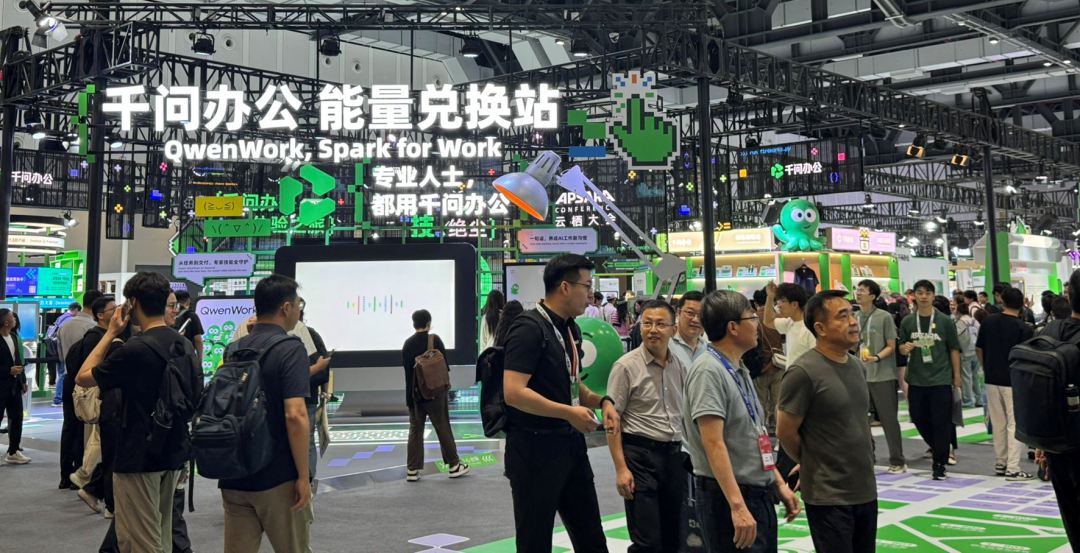
This detail is noteworthy.
A sentence may contain multiple intentions, and the system needs to disassemble requirements, select tools, execute in sequence, and stop and confirm before key actions.
The demonstration demonstrates this possibility. Whether it can adapt to different application versions, complex interfaces and abnormal situations still needs to be continuously tested.
Let's look at enterprise services.
Ping An shares a roadside assistance case that connects the user's sentence with the vehicle's location, policy information, and rescue dispatch.
The most important part here is that the services behind really have a chance to be mobilized.
It requires a network of accounts, business systems, and services to collaborate. For users, these complex connections are ultimately reflected in less information, fewer entrances, fewer transfers, etc.
The same goes for R&D.
After the AI generates the code, there are tests, reviews, deployments, and subsequent maintenance. The exploration of the complete R&D process in Ping An Sharing shows that the application value needs to continue along the delivery chain.
Generate a piece of content, you can calculate the power; connect it to the real process, and start to accept the test of production.
We look at these cases to see progress, but also to distinguish between live demonstrations, corporate practices, and future planning. They represent different stages and cannot be understood as having fully matured.
Judging whether AI really works, staring at four things
For the average user, it is not necessary to remember all the chip models and platform names.
By grasping the four questions, you can build basic judgment.
First, can it be done?
Is it the suggestion, the first draft, or the result that meets the requirements? How many fewer steps were required to be completed manually?
Second, is it stable.
Can you work with another batch of materials and another expression? After a good presentation, daily use is just as important.
Third, can you control it?
What does it access and modify? Do the key steps need to be confirmed? Can you locate, stop, and recover after an error?
Fourth, whether it is cost-effective.
In addition to fees, wait, check, rework, and manual takeover are calculated. The call is cheap and does not mean that the total cost of completing the task is low.
These standards seem simple, but they all fall on the real experience.
If we need to find the data again, the error requires us to change again, and the process requires us to run again, how much effort has been saved by such "automatic completion"?
Of course, early products need iterations. One failure does not negate technological progress.
But the reasonable expectation should be that each round of upgrades will allow more tasks to be completed, make it easier to process after mistakes, and make people less extra burden.
This year's Alibaba Cloud Conference is worthy of attention, and it is the collaboration of models, chips and operating systems around these issues.
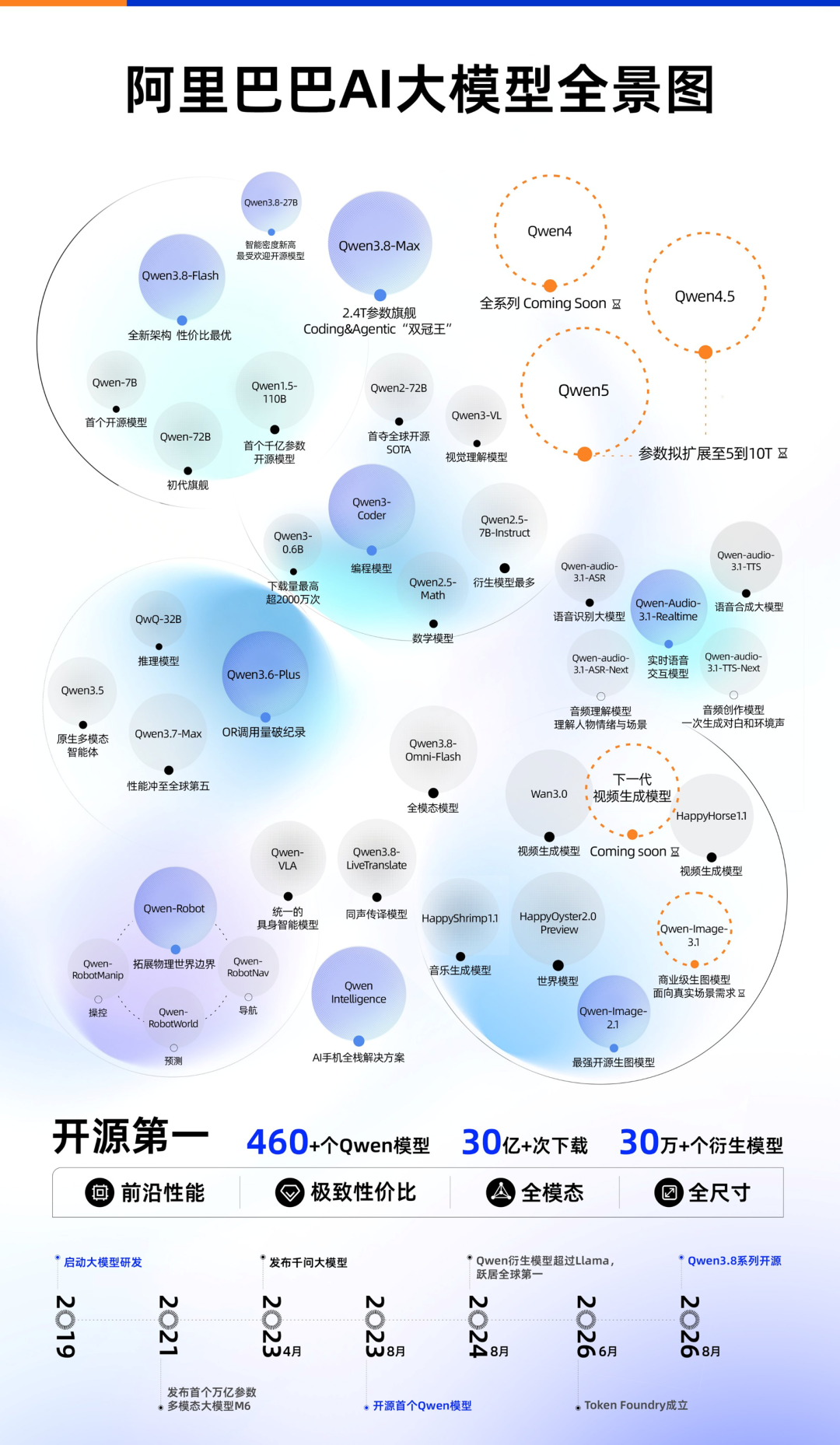
The simpler the user's account, the better the technology behind it needs to handle complex work.
The persuasive power of AI landing is hidden in the tasks that can be handed over safely and qualified once and for all.
What do you most want AI to do first: report, organize data, operate software, or handle an entire workflow? You are welcome to chat in the comments section, and also tell us where the most card is at the moment.
# Alibaba Cloud Conference # Alibaba Cloud # Hard Technology # AI Applications # AI Agents # Domestic Chips # Cloud Computing # Enterprise Digitalization